Benefits of Deep Breathing for Stress Relief
The Healing Power of Deep Breathing
In today's busy world, stress and anxiety are a common part of life. Many people feel overwhelmed by daily challenges and are constantly looking for ways to find peace and calm. One simple yet powerful solution lies in a practice that everyone can do: deep breathing.
What is Deep Breathing?
Deep breathing involves intentionally taking slow, deep breaths. It's more than the shallow breathing that usually occurs when we're stressed. When you engage in deep breathing, you fill your lungs with air, allowing your belly to rise and your lungs to fully expand. This type of breathing can be done anywhere, anytime, and is accessible to everyone.
Key Benefits of Deep Breathing
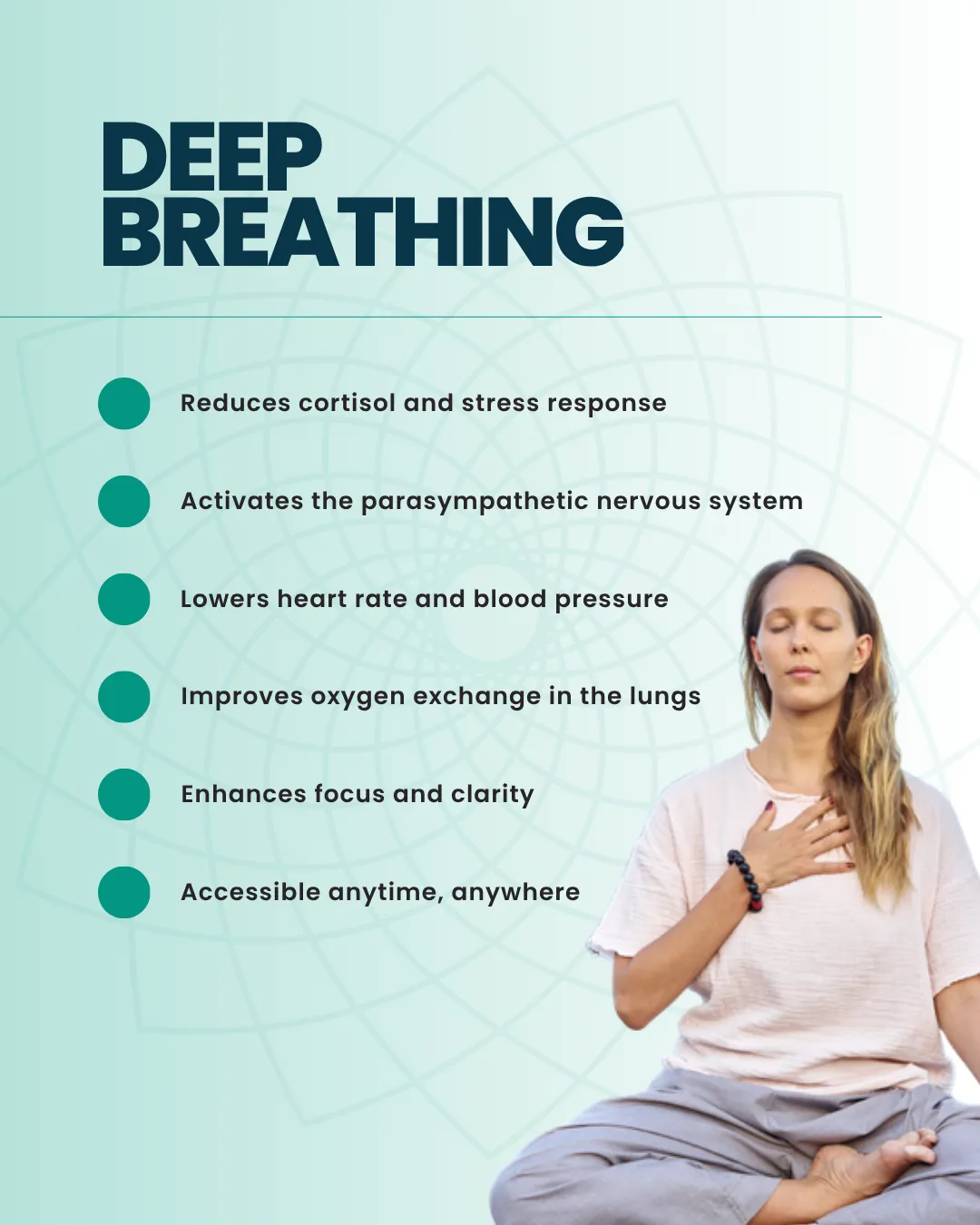
1. Reduces Cortisol and Stress Response
Cortisol is known as the stress hormone, and it's released in our bodies during stressful situations. Chronic high levels of cortisol can lead to various health issues. Deep breathing helps lower cortisol levels, which reduces stress and promotes a sense of calm.
2. Activates the Parasympathetic Nervous System
Deep breathing activates what is known as the parasympathetic nervous system, which is sometimes referred to as the 'rest and digest' system. This part of the nervous system conserves energy and slows down the heart rate. By doing this, it contrasts the 'fight or flight' response, helping the body to relax.
3. Lowers Heart Rate and Blood Pressure
Chronic stress can lead to increased heart rate and high blood pressure. Regular practice of deep breathing can lower both, supporting cardiovascular health. The steady rhythm of deep breathing helps calm the heart and can even regulate heartbeat.
4. Improves Oxygen Exchange in the Lungs
Deep breathing enhances oxygen exchange in the lungs, meaning your body gets more oxygen, and it expels more carbon dioxide. This not only helps your physical health but also promotes mental clarity and focus.
5. Enhances Focus and Clarity
By increasing the flow of oxygen to your brain, deep breathing enhances focus and mental clarity. It's a natural way to improve your ability to concentrate and can positively impact learning and decision-making.
6. Accessible Anytime, Anywhere
You don't need any special equipment or settings to practice deep breathing. Whether you're at home, at work, or even on the go, this technique is always available to you. That means the benefits can be tapped into whenever you feel the need.
How to Practice Deep Breathing
- Find a Comfortable Position: Sit or lie down. Make sure you're comfortable and your body is supported.
- Focus on Your Breathing: Close your eyes if it's comfortable for you, and focus on your breathing.
- Inhale Deeply: Take a slow, deep breath through your nose, allowing your lungs to fill with air. Your belly should rise, and your chest should expand.
- Exhale Slowly: Exhale slowly through your mouth. You might notice your shoulders relaxing as you do this.
- Repeat: Repeat this process for a few minutes. Aim for about 5 to 10 minutes if you can.
Incorporating Deep Breathing into Daily Life
Adding deep breathing to one's daily routine doesn't have to be complicated. Try setting aside a few minutes each morning or evening. Consider integrating it with other mindfulness practices, like meditation. The more regularly you practice, the more naturally it will embed into your life, making stress relief a regular part of your day.
Conclusion
Deep breathing is more than just a relaxation technique. It is a powerful tool that can enhance physical health, improve mental clarity, and offer quick relief from stress. By mastering this simple yet effective practice, individuals can cultivate a more peaceful and balanced life. Remember, the key is consistency, so start today and embrace the benefits of deep breathing for a healthier you.
