Boost Your Health with Fiber Detox
How Fiber Can Boost Your Detox and Health
Have you ever wondered how some people manage to stay healthy and feel great all the time? One of their secrets might just be a simple addition to their diets—fiber. Let’s explore how fiber can be your best friend for detoxing and improving your overall health.
What is Dietary Fiber?
Dietary fiber is a type of carbohydrate found in plants. Unlike other carbs, fibers aren't digested by your body. Instead, they pass through your stomach, small intestine, and colon almost intact. There are two types of dietary fiber:
- Soluble Fiber: This type dissolves in water to form a gel-like material. It can help lower blood cholesterol and glucose levels.
- Insoluble Fiber: This type promotes the movement of material through your digestive system and increases stool bulk.
Both types of fiber are essential for your diet and play unique roles in maintaining your health.
Fiber and Detoxification
Fiber aids in detoxification by:
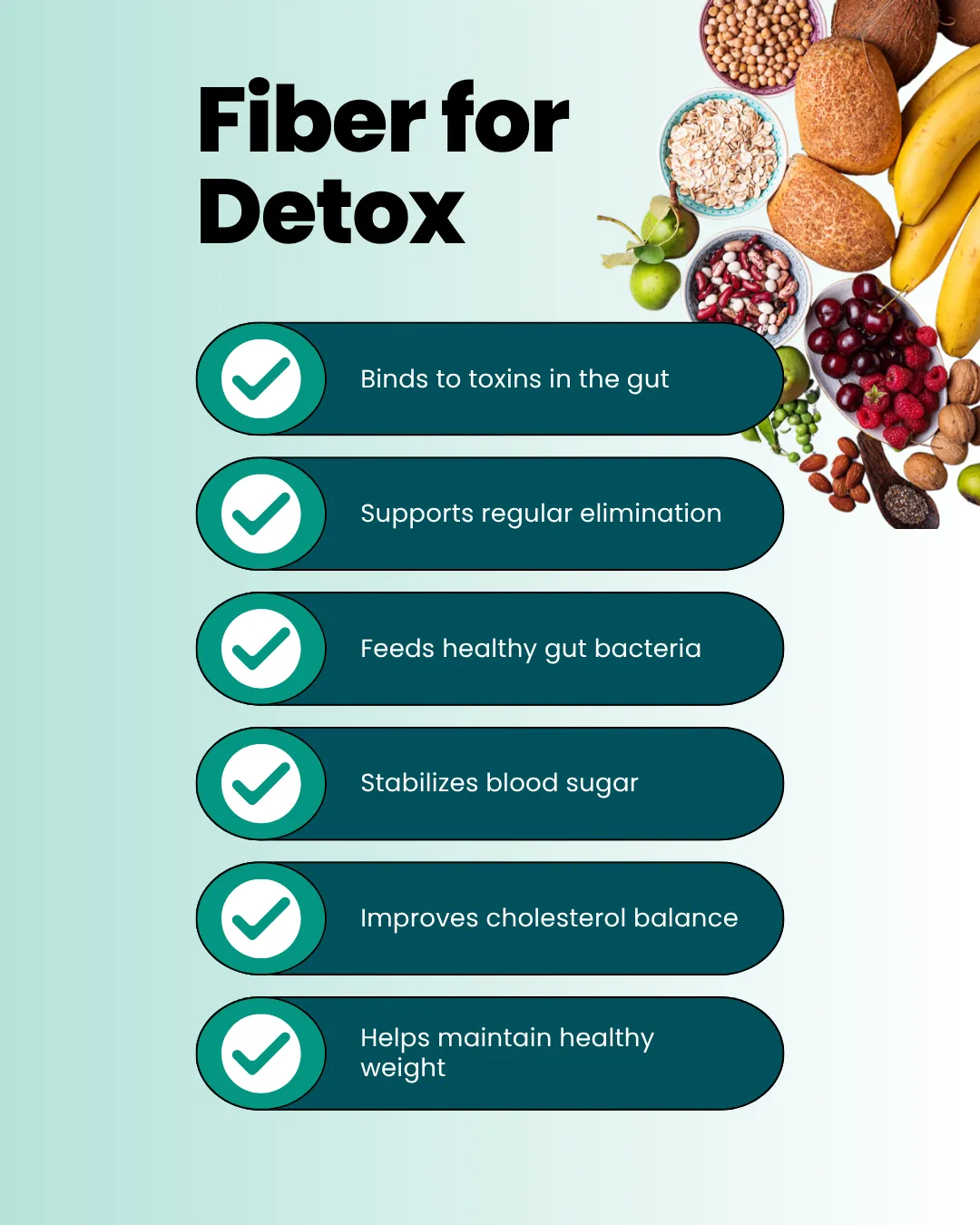
- Binding to Toxins: Fiber binds to toxins in the gut, preventing them from being absorbed. This means toxins can be more easily removed from the body.
- Supporting Regular Elimination: Regular bowel movements help eliminate waste efficiently. Fiber helps keep things moving, ensuring that your digestive system works smoothly.
- Feeding Healthy Gut Bacteria: Fiber acts as food for healthy bacteria in the gut. These good bacteria help aid digestion and maintain a strong immune system.
Other Health Benefits of Fiber
Fiber doesn’t just help with detoxing. It also offers many other health benefits:
- Stabilizes Blood Sugar: Fiber, particularly soluble fiber, can slow the absorption of sugar, helping control blood sugar levels.
- Improves Cholesterol Balance: Soluble fiber helps lower total blood cholesterol levels by lowering low-density lipoprotein, or "bad," cholesterol levels.
- Helps Maintain Healthy Weight: High-fiber foods are more filling than low-fiber foods, so you’re likely to eat less and stay satisfied longer. This can help you maintain a healthy weight.
How Much Fiber Do You Need?
The daily intake of fiber depends on your age and gender. Generally, adult women should aim for 21 to 25 grams per day, while adult men should aim for 30 to 38 grams. Most people fall short, but it's easy to increase fiber intake with a few simple changes.
Adding More Fiber to Your Diet
Here are some tips to add more fiber to your diet:
- Start Your Day with Whole Grains: Choose cereals with "whole" grain ingredients listed first.
- Add Vegetables to Every Meal: Incorporate rich sources of fiber like broccoli, carrots, or spinach into your dishes.
- Snack on Fruits and Nuts: Opt for fiber-rich snacks like apples, bananas, almonds, and walnuts.
- Legumes and Beans: Include beans, lentils, and chickpeas in soups, stews, or salads.
Increasing fiber intake gradually will help you avoid discomfort like bloating or gas. Also, remember to drink plenty of water, which helps fiber do its job properly.
Conclusion
Fiber is a powerhouse nutrient that plays a crucial role in detoxing and overall health. By helping remove toxins and supporting various bodily functions, fiber deserves a firm place on your plate. Start integrating more fiber-rich foods in your diet today, and witness the boost in your health and wellness.
