Foods That Affect Your Sleep Quality
Understanding the Connection Between Food and Sleep
Many people struggle with getting a good night's sleep, and the reasons can be more related to diet than they think. The foods and drinks we consume can play a significant role in how well we rest at night. Let's explore some key points about how our dietary choices can impact sleep quality.
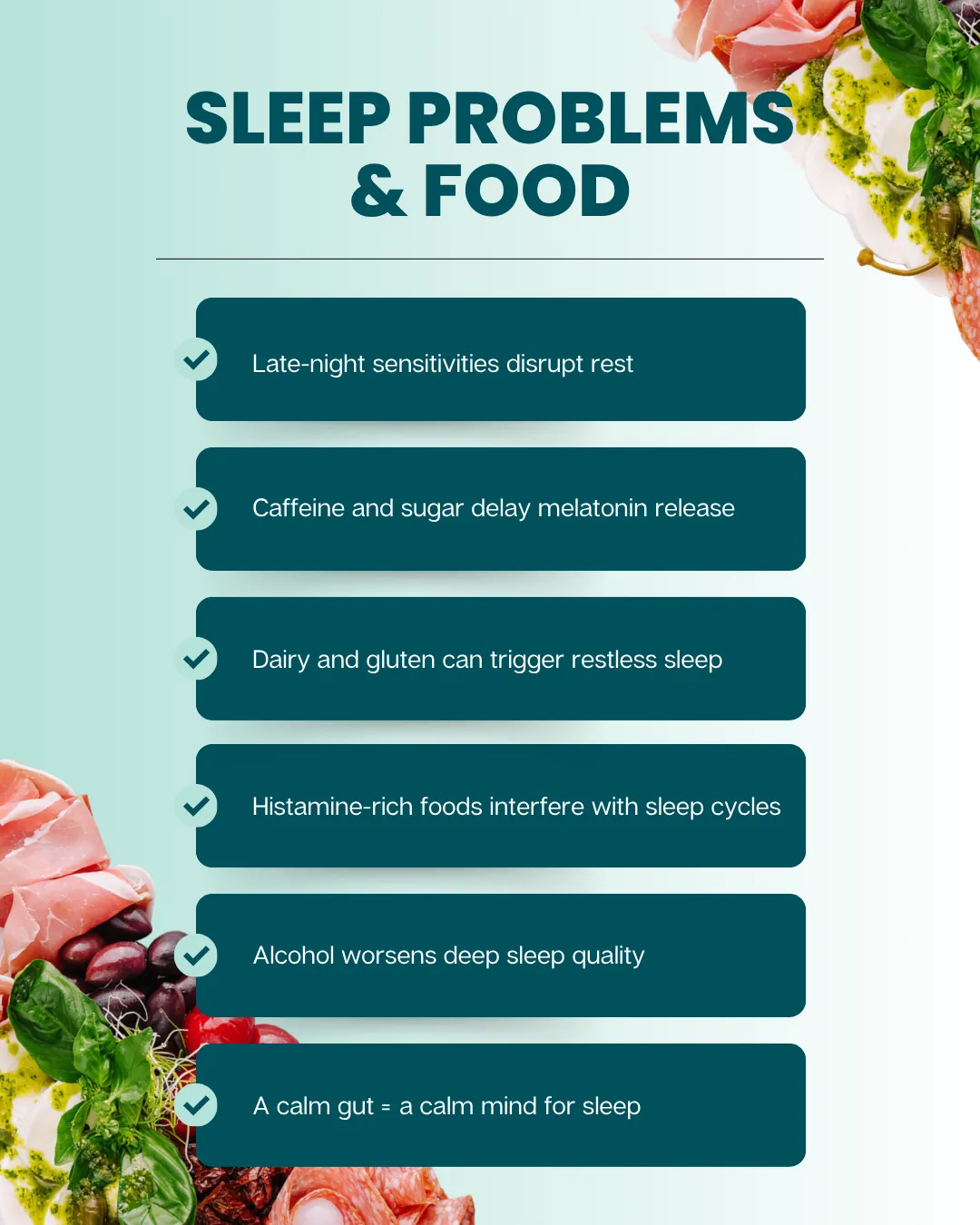
1. Late-Night Sensitivities Disrupt Rest
It's common for certain foods to cause sensitivities that can disrupt our rest. Eating spicy or heavy meals late at night may cause discomfort. This discomfort can keep you up or lead to poor-quality sleep. Paying attention to how different foods affect you can be a critical step in identifying what's keeping you awake.
2. Caffeine and Sugar Delay Melatonin Release
Caffeine is well-known for boosting alertness, making it a go-to for many during the day. However, consuming caffeine-rich products close to bedtime can delay the release of melatonin—a hormone that regulates sleep. Similarly, sugar spikes can lead to increased energy, making it difficult to wind down before bed.
3. Dairy and Gluten Trigger Restless Sleep
Many people are sensitive to dairy and gluten without realizing it. These foods can sometimes cause bloating or other discomforts that disrupt sleep. It's worth noting how your body reacts to these ingredients to determine if they might be negatively impacting your rest.
4. Histamine-Rich Foods Interfere with Sleep Cycles
Histamines are chemicals that can be found in foods such as cured meats, aged cheese, and fermented products. High levels of histamines can interfere with sleep cycles, leading to disrupted sleep.
5. Alcohol Worsens Deep Sleep Quality
Although alcohol might make you feel sleepy initially, it can greatly lower the quality of deep sleep. This lack of deep sleep leaves you tired the next day.
6. A Calm Gut Equals a Calm Mind
A well-settled digestive system can lead to better mental health and improved sleep. Foods that upset your gut can make entire nights uncomfortable. Focus on eating foods that are easy on the stomach before bed.
Simple Tips for Better Sleep
- **Avoid Caffeine and Sugar at Night:** Try to stay away from caffeine and sugary foods at least four hours before bed.
- **Mind Food Sensitivities:** Pay attention to how foods like dairy and gluten might affect you.
- **Reduce Alcohol Intake:** Limit or avoid alcohol consumption in the evening to improve deep sleep quality.
- **Choose Gut-Friendly Foods:** Opt for lighter, nourishing meals that ease digestion, especially during dinner.
Implementing these small but effective changes can help you enjoy more restful nights. By understanding the impact of different foods on sleep, everyone can take charge of their nightly rest and, in turn, their overall health and well-being.
